Treating Skin Skis
Skin skis are marketed as "waxless" skis but that doesn't mean their performance can't be massively enhanced by wax. Regular maintenance of skin inserts keeps them gripping and gliding. We recommend treating the glide zones of your skin skis as well to keep them up to par.
How-To Video
Steps may differ in the video from what we recommend!
Step-by-Step
There are two main steps of skin maintenance: clean and wax.
Cleaning:
1) Begin by cleaning and waxing your glide zones on your skis. Find the steps here: Cleaning (https://skiwax.ca/collections/glide-zone-cleaning), apply a base wax (https://skiwax.ca/collections/ironing-paraffins) and/or liquid (https://skiwax.ca/collections/wipe-and-go.
2) Spray directly or wipe (with fiberlene) the skin cleaner onto your skin insert. It is VERY important to use only a cleaner labeled as skin cleaner as it has a special formula that doesn't dissolve the glue holding the insert in.
3) Use fiberlene to lightly work the cleaner into the skin's hairs. Use this time to wipe away obvious dirt and residue out. Reapply cleaner sparingly if needed.
4) Lightly wipe the skin against the grain and leave the hairs stuck up to dry. Let dry for several minutes to ensure cleaner is evaporated.
Waxing:
1) Ensure the cleaner has dried by using your hand or a dry piece of shop towel/fiberlene.
2) Spray directly or wipe (with fiberlene) the skin wax onto your skin insert.
3) Use fiberlene to lightly work the cleaner into the skin's hairs with against the grain and with the grain movements. Finish with an against the grain movement to stand the hairs up to allow for driving.
4) Let dry for as long as possible! 5 minutes is as much as most brands require but that changes from brand to brand.
As simple as that, your skin skis should be up to spec for another couple laps of the trails!
Replacing:
When you skin inserts start to look patchy, you may want to look into replacing the skin insert!
1) Purchase the correct size replacement skin for your ski! Measure the skin or look on the manufacturer's website for specs.
2) Remove the old skin by sliding an iron heated at ~120C a handful of times back and forth quickly along the skin. This should heat the glue enough to peel the old mohair skin off.
3) Use wax remover or isopropyl alcohol to remove any glue residue from the skin insert slot. Let dry completely before continuing.
4) Peel the sticker off your new mohair and lower into the slot on your ski base. Press down by hand to ensure stick.
5) Use your clean 120C iron to quickly pass along the skin with moderate pressure once with the grain to melt the new glue onto the ski base.
6) Prep your new mohair skin with some skin wax using the instructions above!
Products for Treating Skin Skis
-
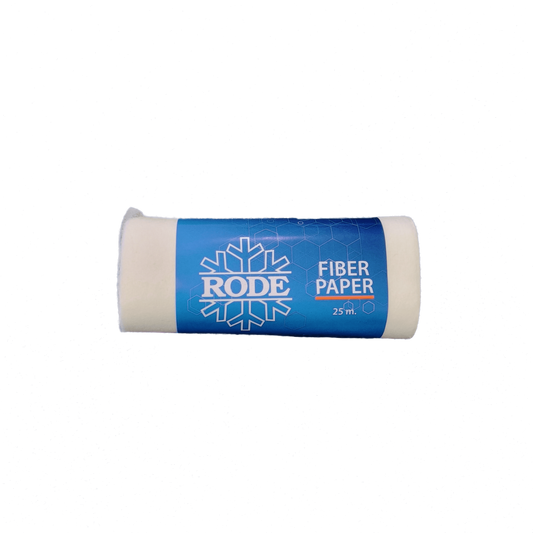
Rode Fiber Paper | 25m
Unit price $0.72 / per mRegular price $18.00 CADRegular priceSale price $18.00 CAD157 in stock -
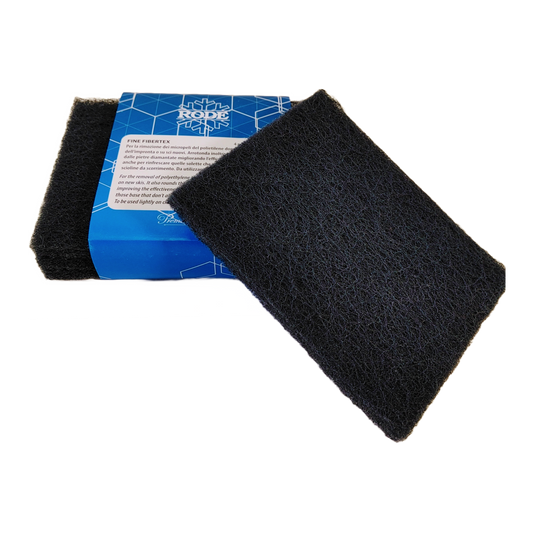
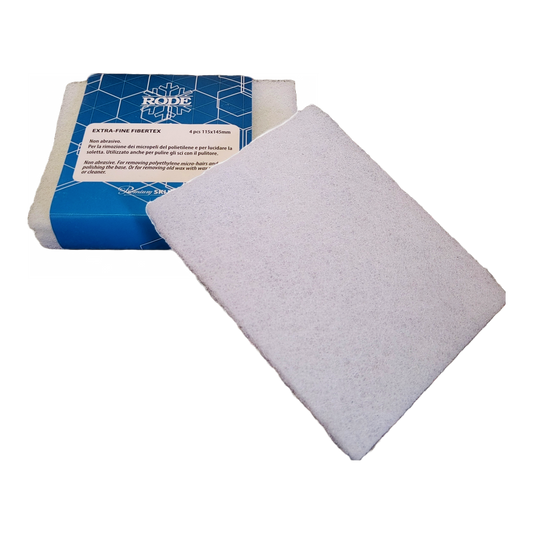
Rode FiberTex
Regular price From $14.00 CADRegular priceSale price From $14.00 CAD15 in stockRode FiberTex
Regular price From $14.00 CADRegular priceSale price From $14.00 CADRode FiberTex
Regular price From $14.00 CADRegular priceSale price From $14.00 CAD -
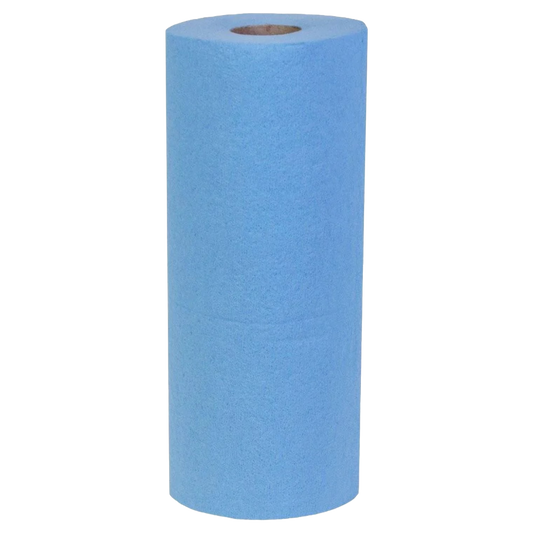
Shop Towel for Ski & Snowboard Waxing
Unit price $0.13 / per itemRegular price $7.00 CADRegular priceSale price $7.00 CAD13 in stock -
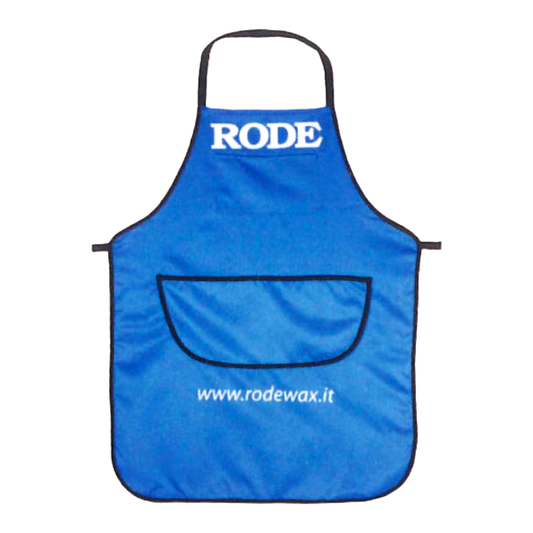
Rode Apron
Regular price $34.00 CADRegular priceSale price $34.00 CAD14 in stock -
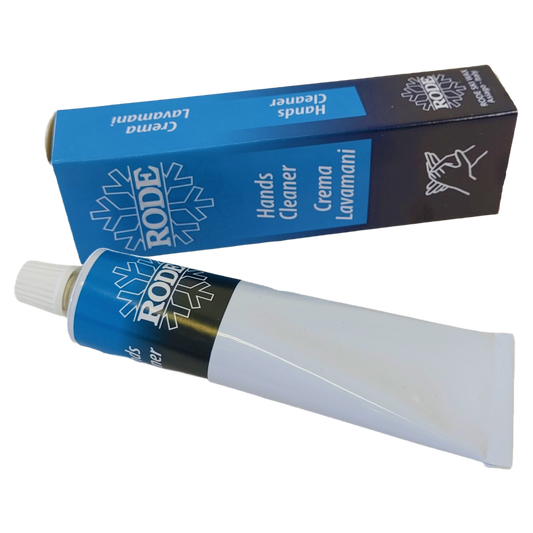
Rode Hand Cleaner Cream | 60g
Unit price $0.33 / per gRegular price $20.00 CADRegular priceSale price $20.00 CAD8 in stock -
Rode Wall Ski Holder (8 Pairs)
Regular price $30.00 CADRegular priceSale price $30.00 CAD61 in stock
Ski Waxing Safety Measures
Safe Ski Waxing: Protect Yourself While Prepping Your Skis
Ski waxing is key to great performance on the snow, but it involves chemicals, heat, dust, and fumes that require careful handling. Prioritizing safety protects your health and ensures the waxing process is both effective and responsible.
Follow these essential safety practices every time you wax:
1. Maximize Ventilation: Fresh Air is Crucial ๐ฌ๏ธ
- Why? Hot waxing, solvents, and brushing release fumes and fine dust particles that shouldn't be inhaled.
- Best Practice: Wax outdoors whenever possible.
-
Indoors: Ensure excellent air exchange.
- Work near open windows or doors.
- Use powerful exhaust fans (like range hoods or dedicated extraction systems) vented directly outside.
- Simple fans just circulating air within the room are not sufficient.
- Speak Up: If you're in a shared facility (like a team wax room or event) and ventilation seems poor, notify staff or organizers immediately. If you can strongly smell fumes or wax, ventilation isn't adequate.
2. Protect Your Lungs: Use a Respirator ๐ท
-
Why? Waxing generates harmful airborne particles and fumes from multiple sources:
- Smoke/fumes from hot waxing irons or machines.
- Dust from scraping and brushing wax.
- Vapors from evaporating solvents in liquid waxes and cleaners.
- Dust from fleece/wool application methods.
- Fumes from heating grip waxes and klisters.
-
Action: Wear a respirator suitable for both particulates (dust) and organic vapors (fumes/solvents).
- Look for respirators with P100 particulate filters combined with organic vapor cartridges.
- Ensure a proper fit. Facial hair can prevent a good seal.
- Replace filters and cartridges according to the manufacturer's recommendations or when you notice smell/taste breakthrough or increased breathing resistance.
3. Protect Your Eyes: Wear Safety Glasses ๐
- Why? Dust, flying wax particles, and potential splashes from cleaners can irritate or injure your eyes.
- Action: Always wear safety glasses or goggles. A full-face respirator also provides eye protection.
4. Protect Your Skin: Wear Gloves ๐งค
- Why? Waxes and solvents contain chemicals that can be absorbed through the skin or cause irritation.
- Action: Wear chemical-resistant gloves (nitrile gloves are a common and effective choice). This keeps your hands clean and prevents direct skin contact with potentially harmful substances.
5. Maintain a Safe Wax Room Environment ๐ซ
- Control Access: Only those actively involved in waxing should be in the immediate waxing area to minimize exposure for others.
- No Food or Drink: Never eat, drink, smoke, or store food in the waxing area. This prevents accidental ingestion of harmful residues.
- Cleanliness: Keep your workspace tidy. Clean up spills immediately and manage wax scrapings (see next point).
6. Handle Wax Waste Responsibly โป๏ธ
- Why? Wax shavings and dust contain the same chemicals you're protecting yourself from during application. Proper disposal protects the environment and prevents contamination.
-
Action:
- Collect all wax shavings, dust, and used cleaning materials (paper towels, rags).
- Place them promptly into a sealed plastic bag or designated waste container.
- Dispose of according to local regulations. (Note: Regulations for fluorinated wax disposal might be stricter in some areas โ check local rules).
7. Control Your Iron Temperature ๐ฅ
- Why? Overheating wax creates significantly more fumes and can damage your ski base.
- Action: Always use the wax manufacturer's recommended temperature for your specific wax. Don't guess!
8. Handle Cleaners & Solvents with Extra Care ๐งช
- Why? Base cleaners and liquid waxes often contain volatile organic compounds (VOCs) that are easily inhaled and can be flammable.
-
Action:
- Use solvents and cleaners sparingly.
- Ensure maximum ventilation when applying them.
- Keep containers sealed when not in use.
- Crucially: Keep solvents far away from heat sources like your waxing iron, space heaters, or open flames.
Your Health Comes First!
By consistently following these safety protocols, you protect yourself from potential respiratory issues, skin irritation, and other health effects. Safe waxing allows you to focus on getting the best performance from your skis and fully enjoy your time on the snow.