Adding Structure
Adding structure is the easiest way to increase the top end speed and acceleration of your skis! Manage how the water flows along the base of your ski speeding them up in any condition!
How-To Video
Steps may differ in the video from what we recommend!
Step-by-Step
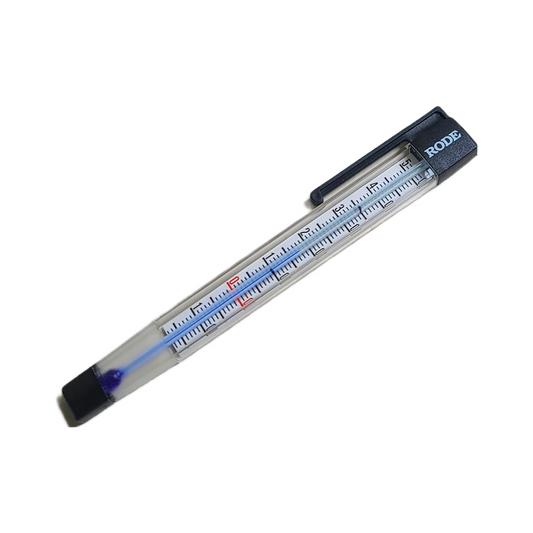
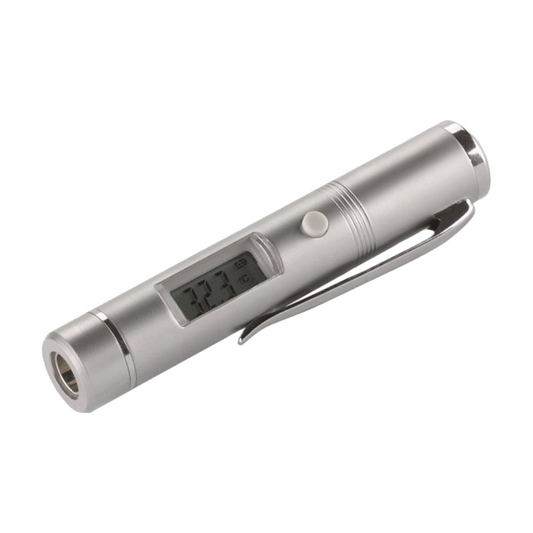
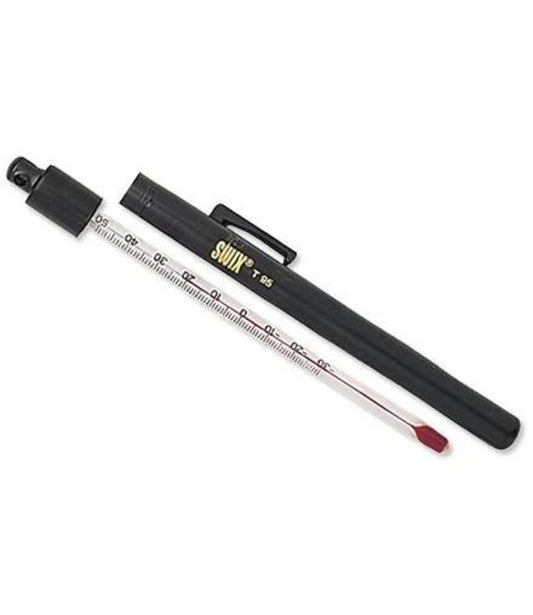
1) Get a feel for the conditions! Start by getting both air and snow temperature readings. Some days they may be similar and some days they will be way off! If you have a hydrometer, use that to get a moisture reading of the snow. If not, do a snow ball test. Dry snow will very light and have no cohesion properties. Wet snow will be heavy and turn to a lovely ball in your hands. Icy snow will have lots of moisture but will not snowball; if the snow is very coarse, you may need to adjust your structure. A good wax tech goes to look at the tracks and feels the snow to get a general idea of structures to try.
2) Continue by glide waxing your skis to completion (brush and polish) with the wax of the day. This will also give you a feel for the temperature you are going to structure for.
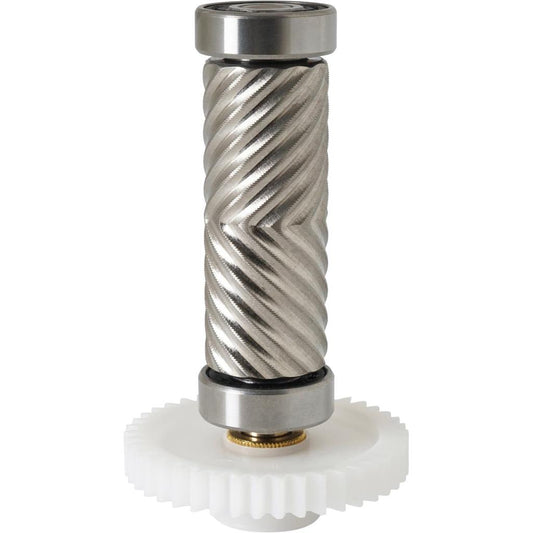
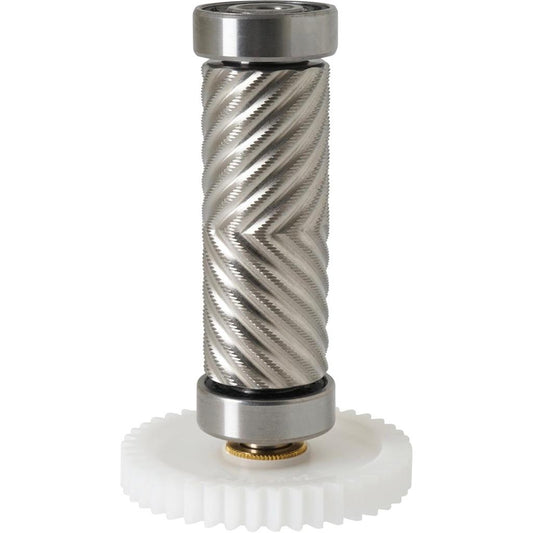
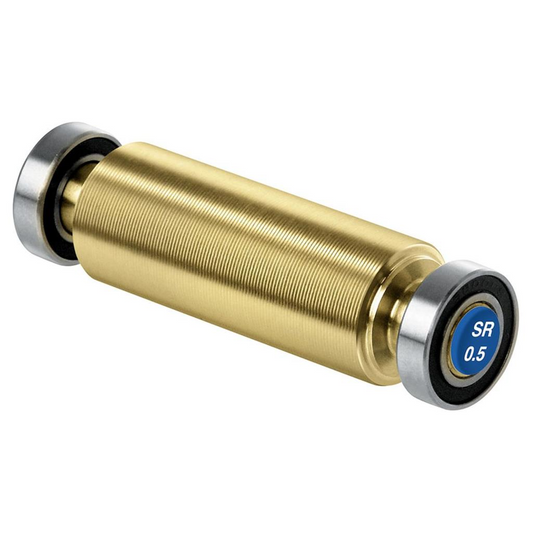
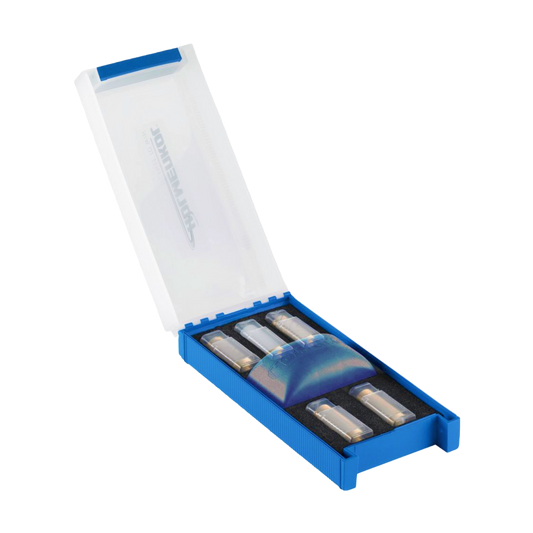
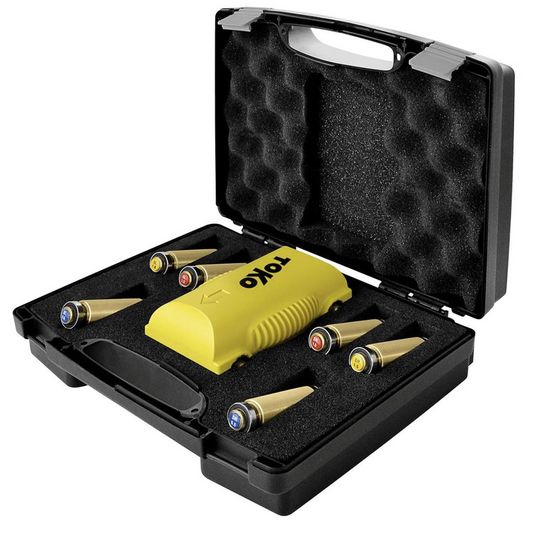
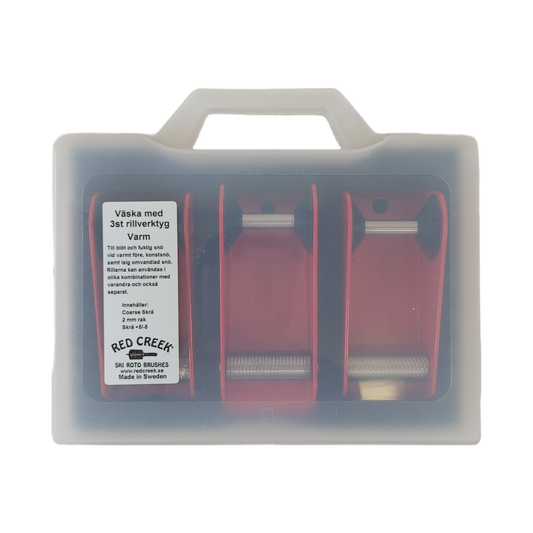
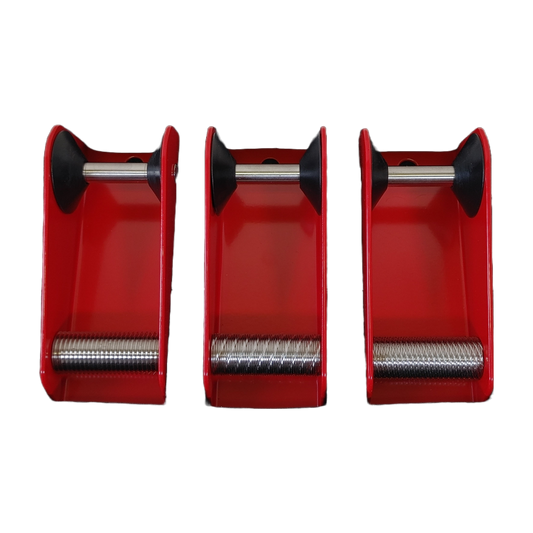
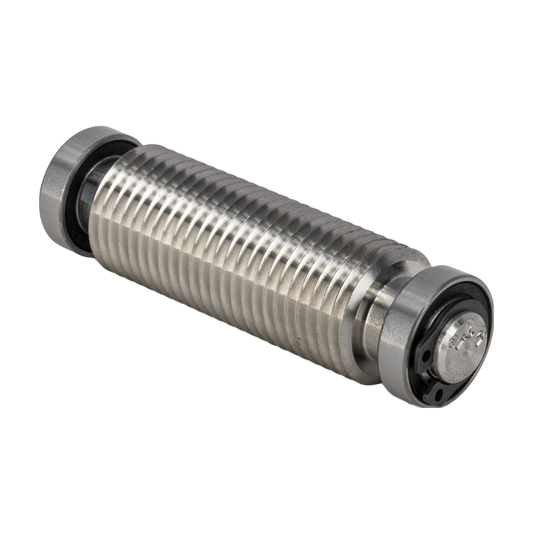
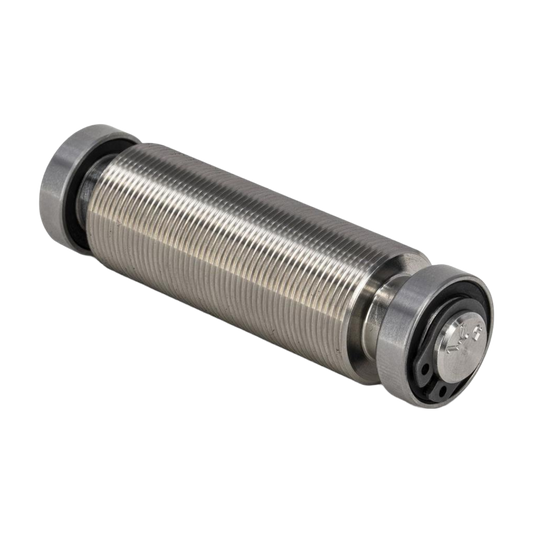
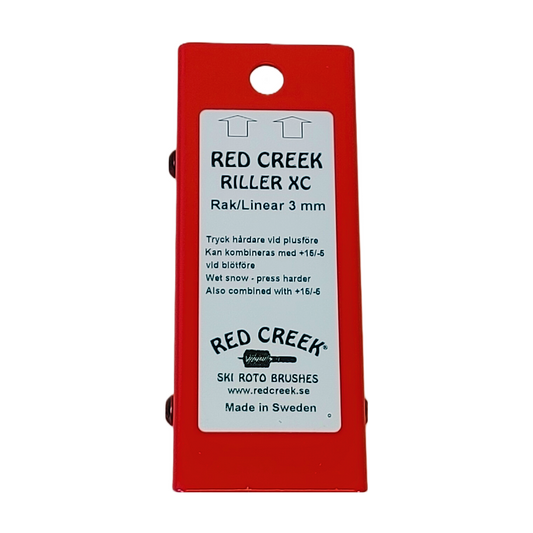
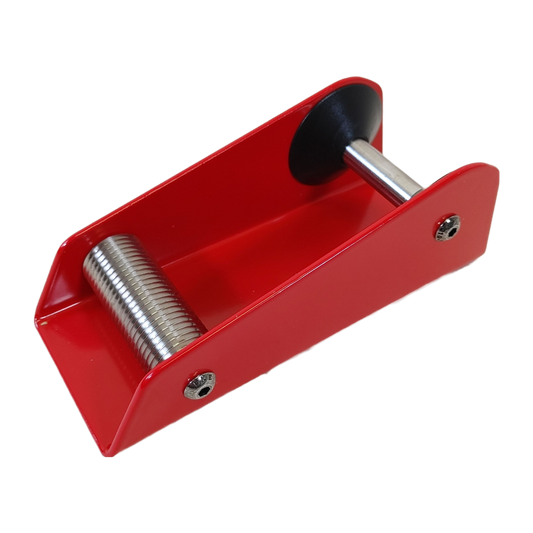
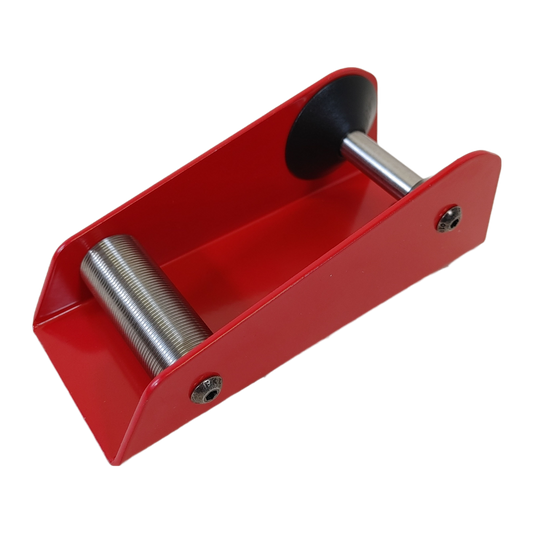
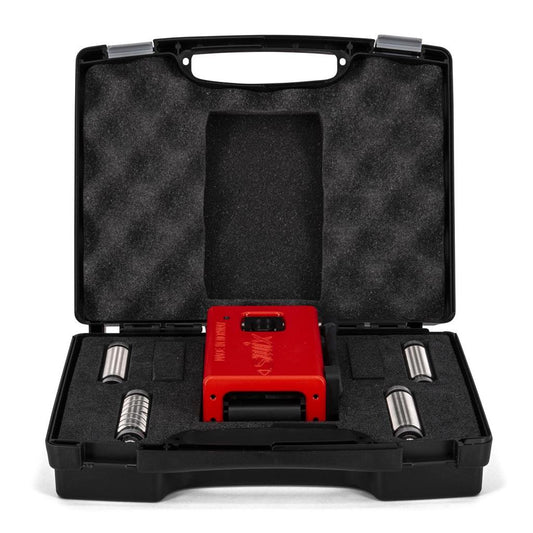
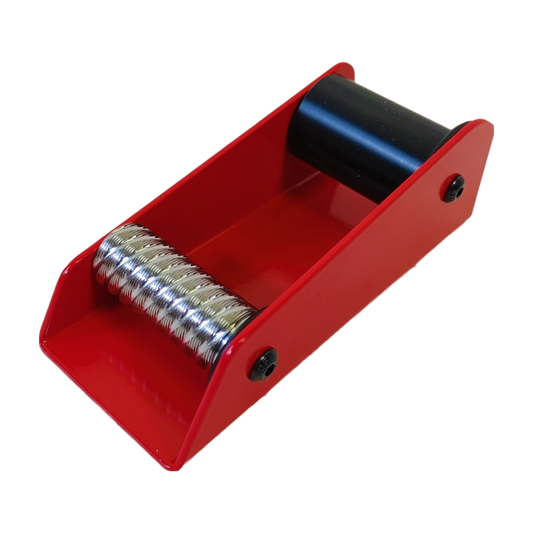
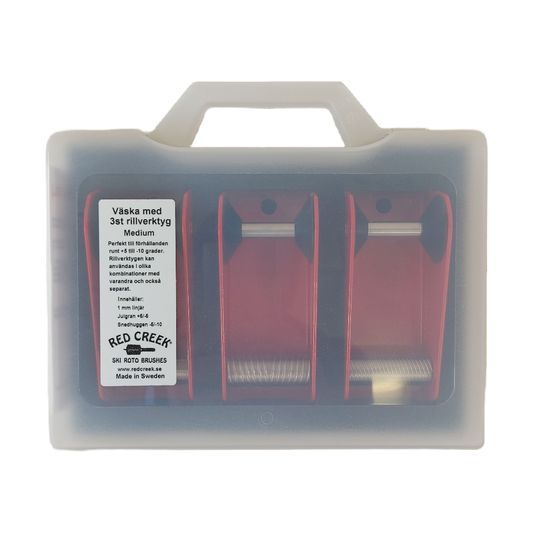
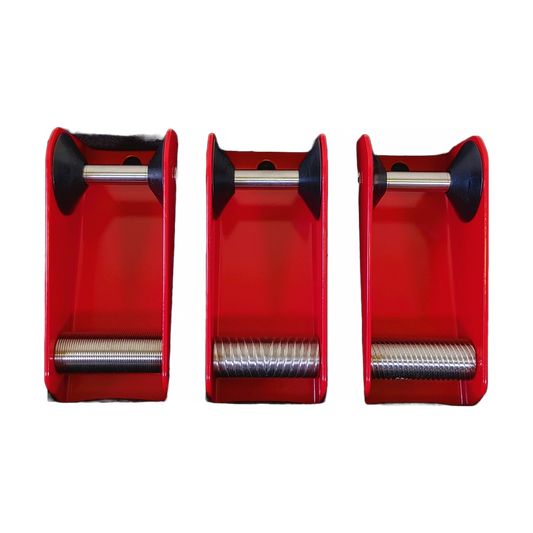
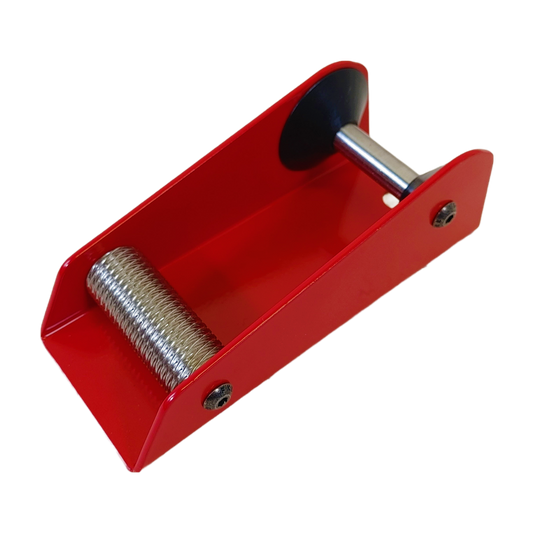
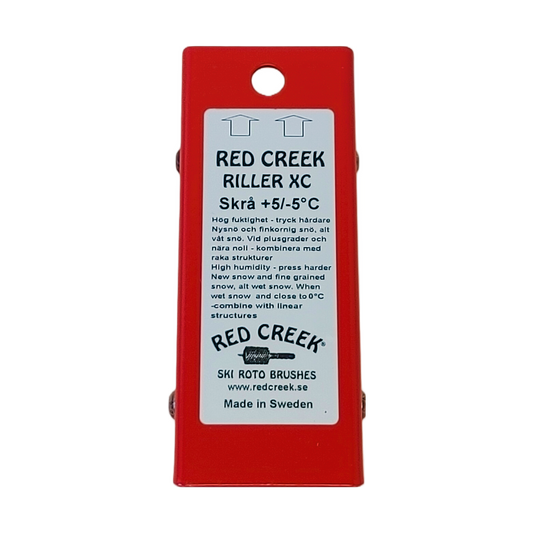
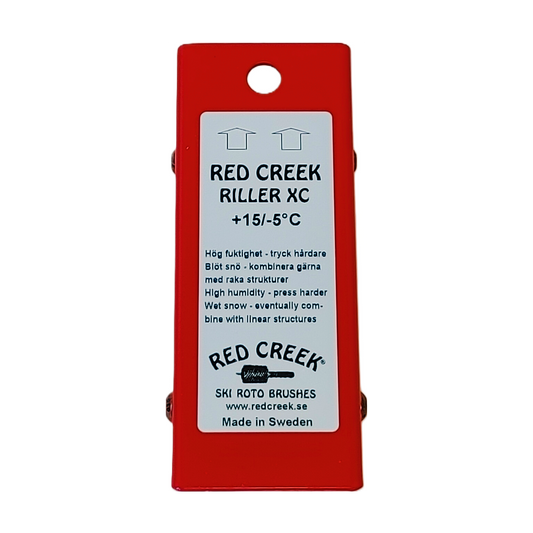
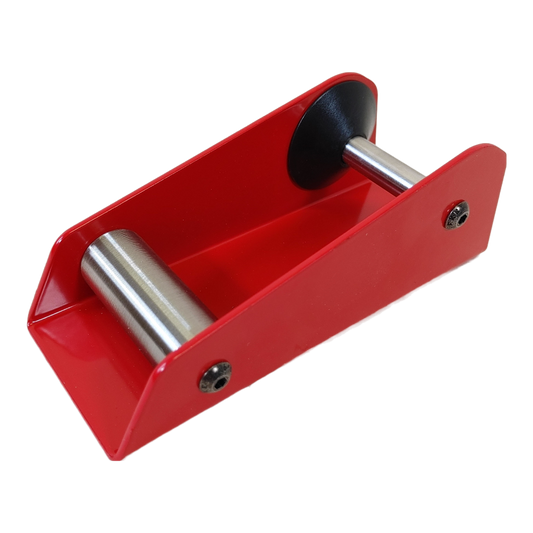
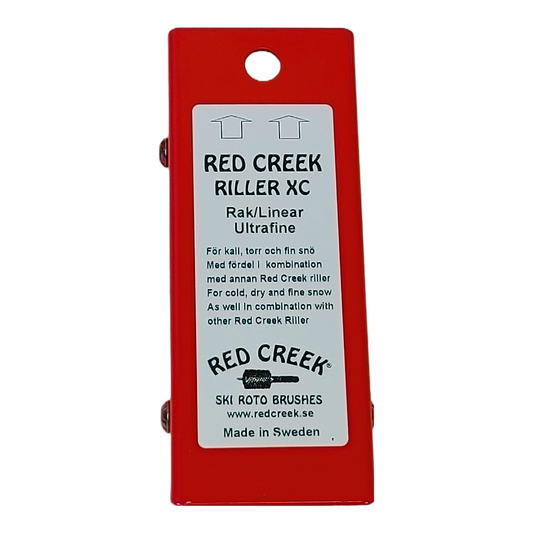
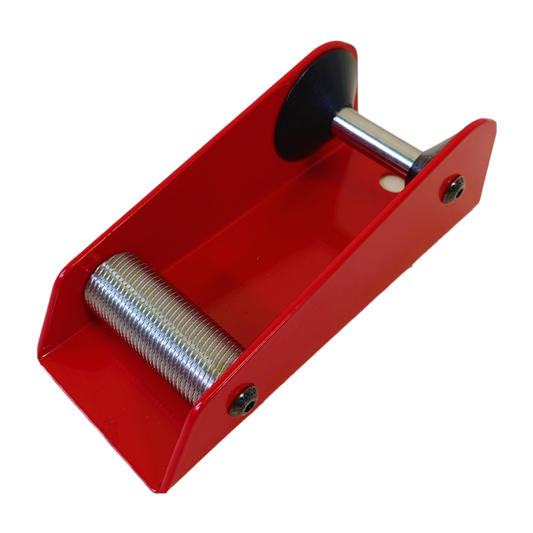
3) Choose your structure! If you have a fleet (or even just an extra pair), use them to test different structures that you think will match the conditions. As a general rule, the coarser the riller pattern, the warmer and wetter the conditions it is for. Different patterns fit different conditions. V-patterns are universal but are generally used on classic skis to evenly push water out either side of the skis. Linear patterns run water straight back on the ski and are typically used on the rear section of a classic ski where the pressure is higher. Oblique/Screw patterns are usually only used on skate skis to push water to the outside of each ski. Some brands will combine a left and right screw to make a V-pattern.
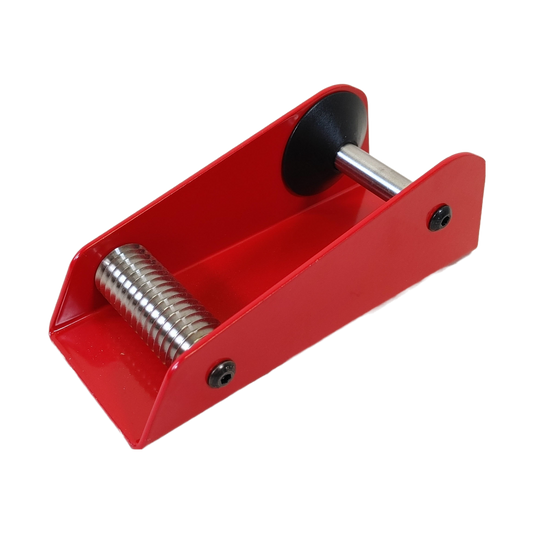
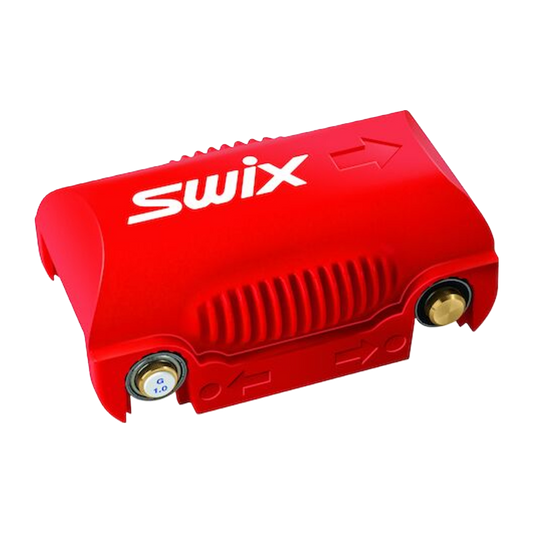
4) Run the chosen rilling tool from with even pressure tip to tail down the ski making sure to not use in a grip zone. You want to use less, but still even, pressure on the front half of the ski than you use on the rear half. There is a lot more pressure in the rear half of a ski meaning water needs deeper structure to escape through.
5) Finish with a quick pass of polishing cloth to ensure all dust is removed from the ski base before it hits the start line!
Structure is an art, you may get good but you will likely never master it! Some days even a blank unstructured ski can win the fastest of the day so it isn't a guarantee that structure will make your skis faster.
Products for Adding Structure
No products found
Use fewer filters or remove all
Ski Waxing Safety Measures
Safe Ski Waxing: Protect Yourself While Prepping Your Skis
Ski waxing is key to great performance on the snow, but it involves chemicals, heat, dust, and fumes that require careful handling. Prioritizing safety protects your health and ensures the waxing process is both effective and responsible.
Follow these essential safety practices every time you wax:
1. Maximize Ventilation: Fresh Air is Crucial ๐ฌ๏ธ
- Why? Hot waxing, solvents, and brushing release fumes and fine dust particles that shouldn't be inhaled.
- Best Practice: Wax outdoors whenever possible.
-
Indoors: Ensure excellent air exchange.
- Work near open windows or doors.
- Use powerful exhaust fans (like range hoods or dedicated extraction systems) vented directly outside.
- Simple fans just circulating air within the room are not sufficient.
- Speak Up: If you're in a shared facility (like a team wax room or event) and ventilation seems poor, notify staff or organizers immediately. If you can strongly smell fumes or wax, ventilation isn't adequate.
2. Protect Your Lungs: Use a Respirator ๐ท
-
Why? Waxing generates harmful airborne particles and fumes from multiple sources:
- Smoke/fumes from hot waxing irons or machines.
- Dust from scraping and brushing wax.
- Vapors from evaporating solvents in liquid waxes and cleaners.
- Dust from fleece/wool application methods.
- Fumes from heating grip waxes and klisters.
-
Action: Wear a respirator suitable for both particulates (dust) and organic vapors (fumes/solvents).
- Look for respirators with P100 particulate filters combined with organic vapor cartridges.
- Ensure a proper fit. Facial hair can prevent a good seal.
- Replace filters and cartridges according to the manufacturer's recommendations or when you notice smell/taste breakthrough or increased breathing resistance.
3. Protect Your Eyes: Wear Safety Glasses ๐
- Why? Dust, flying wax particles, and potential splashes from cleaners can irritate or injure your eyes.
- Action: Always wear safety glasses or goggles. A full-face respirator also provides eye protection.
4. Protect Your Skin: Wear Gloves ๐งค
- Why? Waxes and solvents contain chemicals that can be absorbed through the skin or cause irritation.
- Action: Wear chemical-resistant gloves (nitrile gloves are a common and effective choice). This keeps your hands clean and prevents direct skin contact with potentially harmful substances.
5. Maintain a Safe Wax Room Environment ๐ซ
- Control Access: Only those actively involved in waxing should be in the immediate waxing area to minimize exposure for others.
- No Food or Drink: Never eat, drink, smoke, or store food in the waxing area. This prevents accidental ingestion of harmful residues.
- Cleanliness: Keep your workspace tidy. Clean up spills immediately and manage wax scrapings (see next point).
6. Handle Wax Waste Responsibly โป๏ธ
- Why? Wax shavings and dust contain the same chemicals you're protecting yourself from during application. Proper disposal protects the environment and prevents contamination.
-
Action:
- Collect all wax shavings, dust, and used cleaning materials (paper towels, rags).
- Place them promptly into a sealed plastic bag or designated waste container.
- Dispose of according to local regulations. (Note: Regulations for fluorinated wax disposal might be stricter in some areas โ check local rules).
7. Control Your Iron Temperature ๐ฅ
- Why? Overheating wax creates significantly more fumes and can damage your ski base.
- Action: Always use the wax manufacturer's recommended temperature for your specific wax. Don't guess!
8. Handle Cleaners & Solvents with Extra Care ๐งช
- Why? Base cleaners and liquid waxes often contain volatile organic compounds (VOCs) that are easily inhaled and can be flammable.
-
Action:
- Use solvents and cleaners sparingly.
- Ensure maximum ventilation when applying them.
- Keep containers sealed when not in use.
- Crucially: Keep solvents far away from heat sources like your waxing iron, space heaters, or open flames.
Your Health Comes First!
By consistently following these safety protocols, you protect yourself from potential respiratory issues, skin irritation, and other health effects. Safe waxing allows you to focus on getting the best performance from your skis and fully enjoy your time on the snow.